

Lithium polymer batteries have high energy density and capacity. Traditional lithium-ion batteries use liquid electrolytes, while lithium polymer batteries use solid polymer electrolytes, which allows their battery capacity to be increased and their energy density to be relatively higher. Therefore, lithium polymer batteries can store more energy under the same volume. For applications requiring high energy density, lithium polymer batteries have advantages.
Lithium polymer batteries have a long service life. During the use of lithium batteries, as the battery charges and discharges, the gradual migration of lithium ions will cause the expansion and contraction of the electrode material, which will have a certain impact on the life of the battery. Due to the solid-state characteristics of the electrolyte, lithium polymer batteries can effectively reduce the problem of lithium ion migration, thereby extending the service life of the battery. In addition, lithium polymer batteries have no memory effect when charging and discharging, and can be charged and discharged at any time without affecting the battery life.
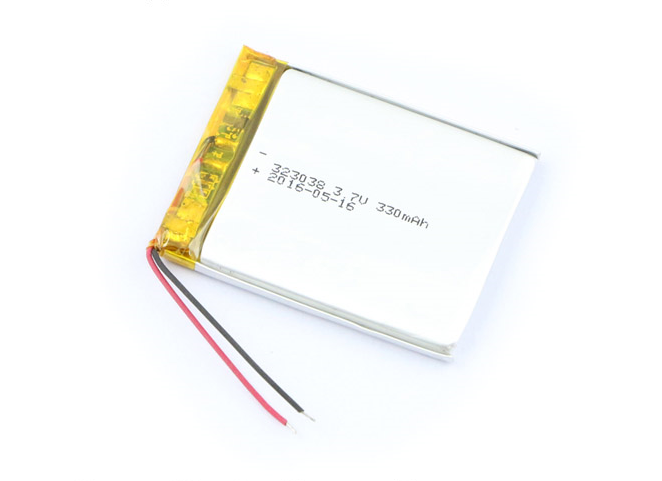
Lithium polymer batteries also have some disadvantages. First, lithium polymer batteries are more expensive to manufacture. Compared with traditional lithium-ion batteries, lithium polymer batteries require more advanced production processes and materials, which increases the manufacturing cost of the battery. In addition, lithium polymer batteries have a lower operating temperature range, and excessively high or low temperatures will adversely affect the performance of the battery.
When choosing battery technology, you need to comprehensively consider various factors based on specific application requirements, and make choices based on needs to achieve the best use results.